Meet Your Coin Expert
Why it beats asking ChatGPT.
General models are generalists. We took a different route: a retrieval model trained on one dealer's decade of hands-on coin knowledge, shaped by the questions collectors actually ask. Here's how it got built, including the app that failed first.

CoinAiLyzer provides educational grade estimates and research context. It does not certify, authenticate, appraise, or provide financial advice.
There are a few moments in my adult life I remember with total clarity. One was during COVID, when the world stopped and we all had to sit with what was happening. The other was the moment ChatGPT actually got good.
Suddenly we had a computer built around language, one that could understand what you were asking and, more often than not, come back with something accurate.
But it didn't take long to realize ChatGPT wasn't good at everything. Early on, and honestly even now, general models hit limits fast once you get specific.
For a while, a term started circulating in the AI world: RAG. A RAG model, retrieval augmented generation, is essentially a way to give a large language model a very specific, localized body of knowledge to draw from. Instead of spending billions of dollars training a model from scratch, you could take an existing model and make it an expert in one particular subject. That idea was incredibly appealing to a small team like ours.
The expert was already at the table
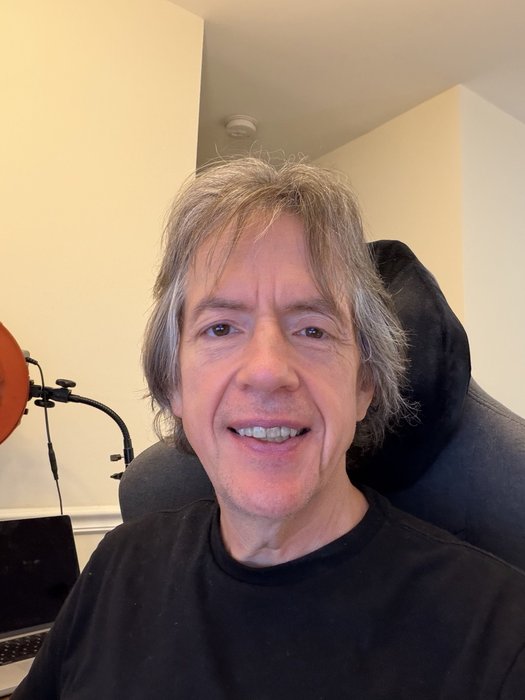
As I started digging into RAG models, I went looking for people who understood them, who could talk AI and actually build with it. Turns out I didn't have to look far. One holiday in 2024, I was talking with my uncle Troy, and it came out that he was already building RAG models, experimenting with how they could actually help people get to what they wanted. He showed me one he'd built with a friend that let people search for information across videos.
There are a lot of sharp, capable people out there just waiting for a good idea to work on.
That conversation stuck with me. It was a reminder that people are waiting to share in the excitement of what these tools can actually do, if someone hands them the right problem.
We tried this on makeup first
Realizing what Troy could actually build with RAG models got us excited, so we looked around for something to try it on. Troy had the idea: makeup. He'd been a top makeup Redditor for a time, and the industry made sense as a proving ground for a specific reason. It's sitting on a massive amount of publicly available data: tips, tutorials, product breakdowns, ingredient lists, years of it. If we wanted to prove a RAG model could actually specialize in something, we needed a subject with enough raw material to train on, and makeup had that in spades.
The app let you upload a photo of your face, say what you wanted to achieve, and it would hand back specific product suggestions, routines, and a bit of encouragement along the way.
It didn't take off. Partly because we didn't know the right people in that industry, partly because we simply didn't know how to break into a space that already had massive, entrenched players. We were a small fish in an enormous pond. But that experience taught us a lot, both about training these models and about where they actually add value. It's a big part of why we invested so heavily in what became the coin app.
A RAG model is only as good as the specialized knowledge behind it.
It's not about how much data exists in general. It's about whether that data reflects real, hard-won expertise.
We didn't scrape strangers. We asked Daniel.
We can't tell you the next coin to buy. What we can do is look closely at the coin in front of you and tell you something useful about it. This looks like it may have been cleaned. Here are a few attributes worth checking before you assume it's authentic. Here's what to look for if you think this might be a variety or an error coin.
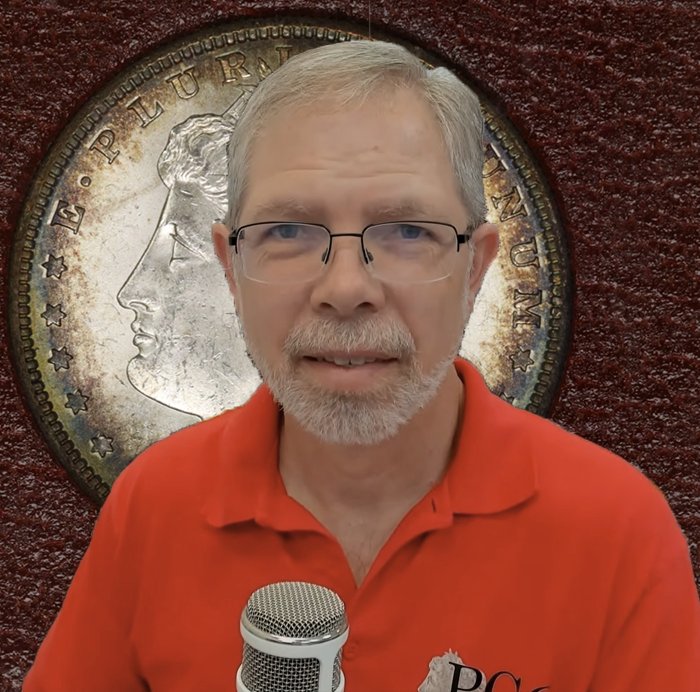
And instead of scouring the internet for strangers willing to share their knowledge, we had something better already on our team: Daniel Malone, who's spent years building a following teaching people about coins on video. So rather than start from scratch, we asked Daniel what he'd want people to know, what usually sits behind a coin dealer's excitement when something interesting comes across the counter. We trained our model on his videos and his expertise.
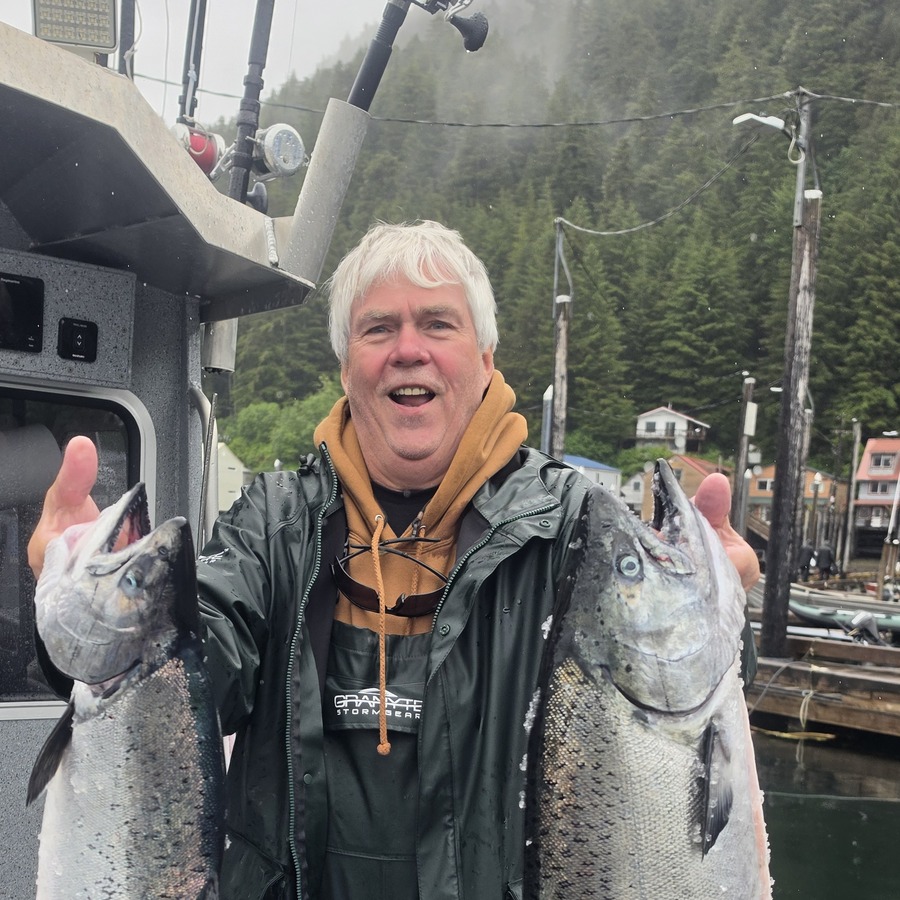
Jim, another member of our team who spends his time in coin shops and at shows, helped shape the other side of it: figuring out what questions people actually ask and how the AI should handle them.
A specialist, not a generalist
What you get in the app is a coin expert you can talk to. Upload a photo, upload a file, ask a question about almost anything coin related, and you'll get an answer shaped by a model trained specifically for this. Not ChatGPT. Not Claude, Gemini, Grok, or Llama. Those are excellent general purpose tools, but they're generalists.
This is a specialist, built on Daniel's decade of hands-on experience, Jim's sense of what people actually want to know, and Troy's work in RAG modeling.
What's in your pocket isn't a generic answer pulled from the broadest possible dataset. It's a direct line to the kind of knowledge that usually takes years at a coin shop to pick up.